
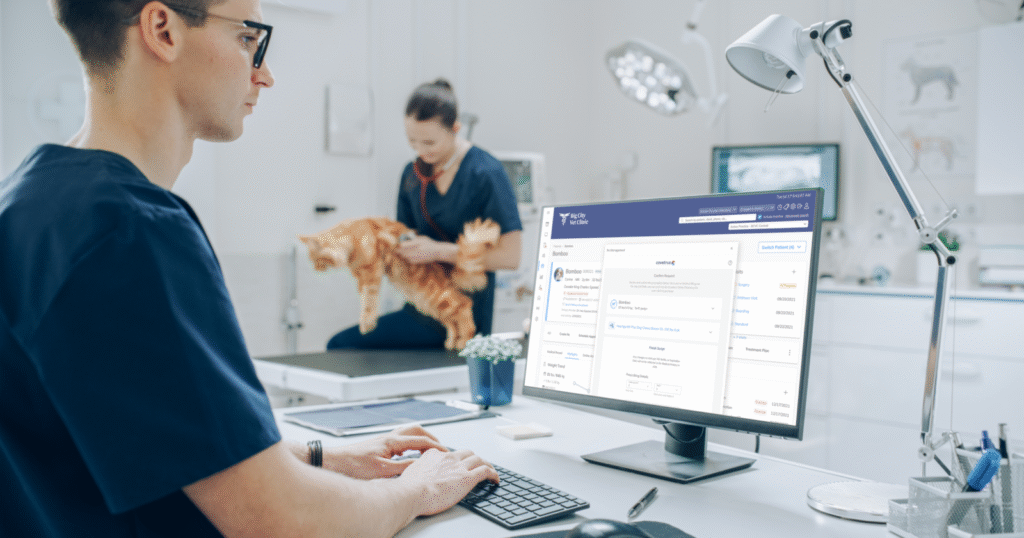
Integrated Veterinary Software: Reduce Stress Caused by Disconnected Systems
Walk into almost any veterinary clinic and you will see an incredible team doing their best to keep up. Phones ringing. Clients waiting. Patients needing care. Messages coming in from multiple channels.
Now add this: five different systems that do not talk to each other.
One for appointments.
One for texting.
One for reminders.
One for payments.
One for medical records.
Every extra login, duplicate entry, and manual workaround may seem small on its own. Together, they create a steady stream of friction that quietly fuels stress, slows teams down, and impacts the client experience.
The Hidden Stress of Disconnected Tools
Veterinary burnout is often discussed in terms of emotional load, long hours, and compassion fatigue. Those are real. But operational stress plays a huge role too.
When software systems are not integrated, teams deal with:
- Double data entry that eats up time
- Missed or delayed messages because they live in different inboxes
- Reminder gaps that lead to no-shows and last-minute scrambles
- Confusion at the front desk when information does not match across platforms
- After-hours backlog from requests that could have been automated
This is not just inconvenient. It creates a constant feeling of being behind, even on a “good” day.
How Integration Reduces Mental Load
Integrated veterinary software connects your communication, scheduling, forms, payments, and PIMS data in one ecosystem. That changes daily work in powerful ways.
1. Fewer Repetitive Tasks
When client data flows automatically between systems, your team is not copying and pasting the same information all day. That reduces small errors and frees up time for higher-value work.
2. One Source of Truth
Integrated platforms sync with your PIMS, so appointment details, client information, and medical notes stay aligned. Your team spends less time hunting for answers and more time helping pets.
3. Smarter Automation
Reminders, confirmations, follow-ups, and forms can be triggered automatically based on real appointment data. This keeps schedules full without staff having to manually chase every interaction.
4. Less After-Hours Catch-Up
AI-supported messaging and automated workflows can capture requests when the clinic is closed, reducing the morning message pile-up that stresses teams before the day even starts.
Better Systems = Better Client Experience
Clients do not see your tech stack, but they feel the effects of it.
Disconnected systems can lead to:
- Missed reminders
- Slow responses
- Repeated questions
- Frustration when they have to re-share information
Integrated software helps clinics deliver:
- Faster replies
- Consistent communication
- Easier form completion
- Smoother check-in and checkout
That builds trust and loyalty without adding more work to your team’s plate
Technology Should Lower Stress, Not Add to It
The goal of veterinary software should not just be features. It should be fewer clicks, fewer workarounds, and fewer mental tabs open at once.
When your systems are connected, your team can focus on what actually matters: patient care, client relationships, and getting through the day without feeling constantly overwhelmed.
Integration is not just a technical upgrade. It is an operational and well-being upgrade for your entire clinic.