
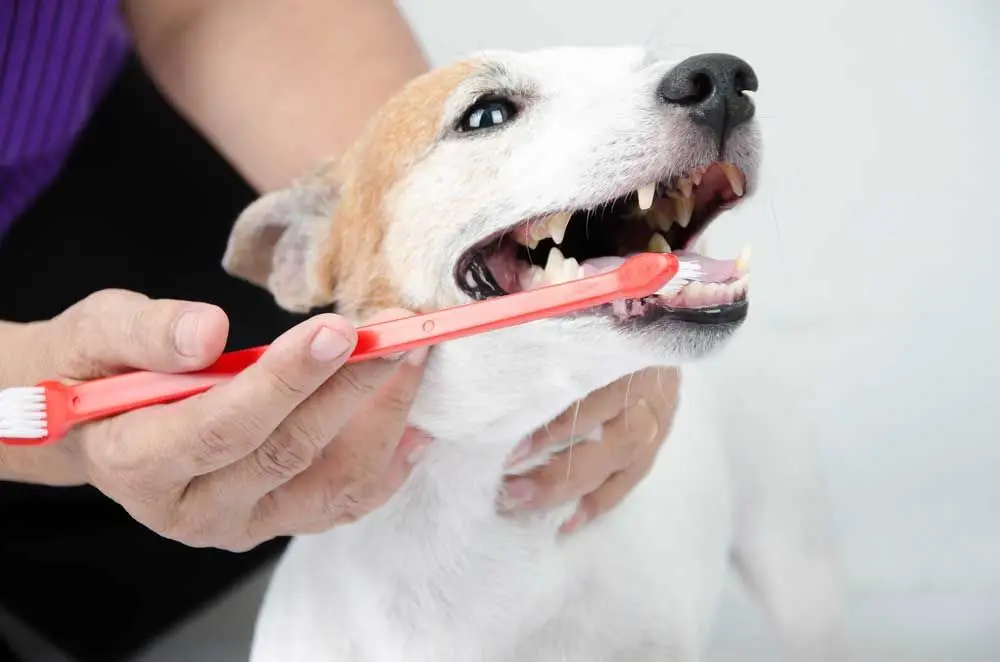
Dog Dental Checks Made Easy with Digital Dental Forms
Dental disease is one of the most common and most preventable issues we see in dogs. Clinics know this. Clients, on the other hand, often need a little more convincing.
The challenge isn’t clinical knowledge. It’s workflow.
When dental checks rely on rushed verbal explanations, paper handouts, or a “we’ll talk about it next visit” note, preventive care slips through the cracks. Digital dental forms change that by integrating education and consent into your everyday process, not another thing your team has to remember.
Below is how digital dental forms help clinics book more preventive dental visits without adding friction to already busy days.
The Real Reason Dental Visits Don’t Get Booked
Most missed dental opportunities aren’t about cost resistance. They’re about timing and clarity.
In a typical visit:
- The exam runs long
- The client is distracted (or anxious)
- The dental recommendation is explained quickly
- Follow-up depends on someone remembering to call later
That’s a lot of chances for “yes, we should do that” to turn into “we never got around to it.”
Preventive care needs structure, not reminders scribbled in the margins of a chart.
What Digital Dental Forms Actually Do (Beyond Replacing Paper)
A digital dental form isn’t just a PDF on a screen. When set up correctly, it becomes a quiet workflow assistant.
Here’s how clinics are using them effectively:
1. Set expectations before the appointment
Dental screening forms sent ahead of the visit let clients:
- Answer questions about chewing habits, breath, and prior dentals
- See that oral health will be discussed before they arrive
That alone reframes the appointment from “surprise add-on” to “expected part of care.”
2. Standardize how dental recommendations are presented
Instead of every DVM explaining dentals slightly differently, digital forms:
- Use consistent language
- Include photos or simple explanations of dental stages
- Reinforce why early care matters
Clients absorb more when they’re not standing at the front desk with a leash in one hand and keys in the other.
3. Capture intent while it’s fresh
When a dental form includes:
- A clear recommendation
- An acknowledgement checkbox
- A “yes, I’d like to schedule” option
Your clinic will reduce the need for follow-up calls that often never happen.
That’s fewer callbacks for your CSRs and fewer missed opportunities for your clinic.
How This Translates to More Booked Preventive Visits
Digital dental forms help clinics move from reactive dentistry to proactive scheduling.
Clinics using digital forms consistently see:
- More dental conversations documented
- Fewer “I don’t remember discussing that” moments
- Higher acceptance of early-stage dental procedures
Why? Because the recommendation lives in the workflow, not just in someone’s memory.
And when forms are automatically written back into the patient record, your team doesn’t have to chase paperwork or re-enter notes later.
Better For Clients. Better For Teams.
For clients, digital dental forms:
- Reduce confusion
- Make recommendations feel thoughtful, not rushed
- Build trust through transparency
For teams, they:
- Cut down on phone tag
- Eliminate duplicate documentation
- Make preventive care easier to track and follow up on
Less chaos. More clarity. Fewer “did anyone talk to them about the dental?” moments.
Making Dental Care Easier to Say Yes to
Preventive dentistry shouldn’t depend on perfect timing or heroic memory from an already stretched team.
Digital dental forms give clinics a repeatable, low-stress way to:
- Educate clients
- Document recommendations
- Book care earlier — when it’s simpler, safer, and more affordable
If dental checks are part of your standard of care, they should be built into your workflow and not bolted on at the end.